
Indiana winters bring heavy snowfall, freezing temperatures, and frequent freeze-thaw cycles that can lead to ice dams. In turn, ice dams can cause roof leaks, damaged shingles, wet insulation, and even interior water damage. Fortunately, understanding why they form and taking preventive steps can help protect your home. Here’s what Indiana homeowners should know about ice dams, including their common causes, warning signs, and the role of proper insulation and winter roof maintenance.
What Are Ice Dams & How Do They Form?
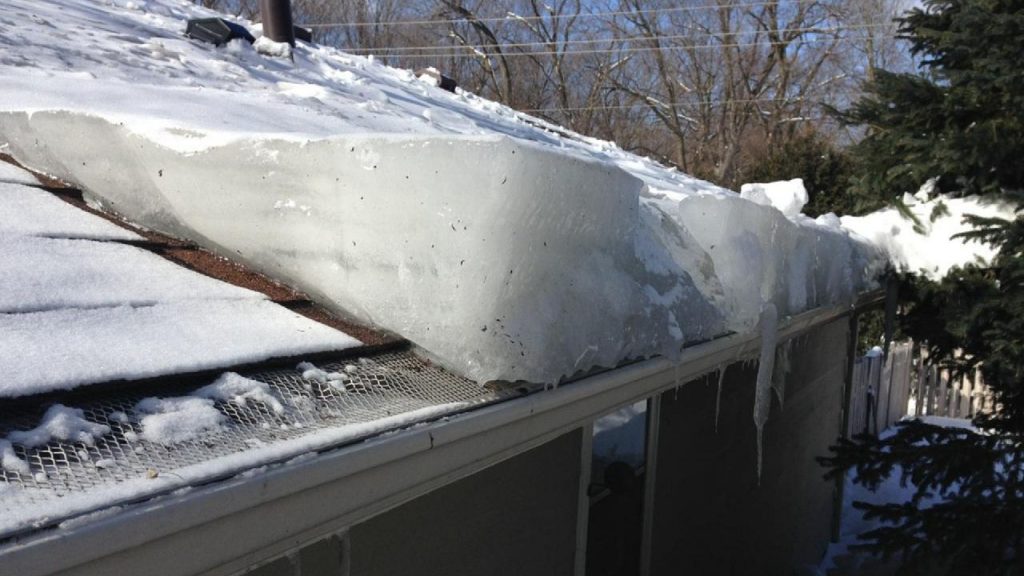
An ice dam is a ridge of ice that develops along the edge of a roof, typically near the gutters or eaves. It forms when snow melts on a warmer section of the roof, flows downward, and refreezes when it reaches a colder area. As more snow melts, water collects behind the ice barrier. With nowhere to drain, that water can work its way beneath shingles and into the roof structure.
The process generally happens in four stages:
- Heat escaping from the home warms portions of the roof.
- Snow melts and water flows toward the roof’s colder edges.
- The water refreezes near the eaves, creating a ridge of ice.
- Additional melting snow becomes trapped behind the ice, potentially causing leaks.
4 Common Causes of Ice Dams
Although winter weather creates the conditions for ice dams, several factors can make certain homes more vulnerable than others.
1. Insufficient Attic Insulation
One of the most common contributors to ice dams is inadequate attic insulation. When insulation is missing, uneven, or insufficient, heat from the living space can escape into the attic and warm the roof deck. This causes snow to melt unevenly, even when outdoor temperatures remain below freezing. Older Indiana homes may be especially vulnerable if their attic insulation has not been updated in decades.
2. Air Leaks & Poor Attic Ventilation
Warm indoor air can enter the attic through gaps around plumbing penetrations, recessed lighting, attic hatches, and other openings. These air leaks can contribute to uneven roof temperatures.
In homes with vented attics, inadequate ventilation can make it harder to maintain a consistently cold roof deck. Proper air sealing, insulation, and ventilation work together to reduce ice dam formation.
3. Snow Accumulation & Temperature Fluctuations
Heavy snow provides the moisture needed for ice dams to develop. It can also insulate the roof surface, allowing heat from below to contribute to melting. When daytime temperatures rise and nighttime temperatures drop below freezing, melting and refreezing can continue for several days. This repeated cycle allows ice buildup to grow.
4. Clogged Gutters & Drainage Problems
Gutters filled with leaves, twigs, and other debris can trap water and contribute to ice buildup along the roofline. Frozen gutters may also prevent melting snow from draining properly. Although clogged gutters are not the primary cause of most ice dams, maintaining clear drainage paths helps reduce additional winter moisture problems.
6 Tips for Preventing Ice Dams on Your Roof
Preventing ice dams starts with controlling heat loss and keeping your roof in good condition. The following winter roof maintenance tips can help Indiana homeowners reduce their risk of damage.
1. Improve Attic Insulation
Proper insulation helps prevent indoor heat from reaching the roof deck. If your attic has thin, uneven, or deteriorating insulation, consider having it evaluated by a qualified insulation professional. Improving insulation can also help maintain more consistent indoor temperatures and reduce heating costs. However, insulation should be installed correctly to avoid blocking necessary attic ventilation.
2. Seal Air Leaks
Adding insulation alone may not solve an ice dam problem if warm air continues escaping into the attic. Air sealing around attic access points, plumbing openings, and other penetrations helps limit unwanted heat transfer. A home energy professional can identify hidden air leaks and recommend appropriate improvements.
3. Maintain Proper Attic Ventilation
For homes with vented attic systems, balanced intake and exhaust ventilation helps maintain appropriate attic conditions. Soffit and ridge vents are common components of these systems. Make sure insulation and stored belongings are not blocking existing vents. Because not every roof uses the same ventilation design, have a qualified professional evaluate your system before making changes.
4. Clean Gutters Before Winter
Removing leaves and debris before freezing weather arrives allows gutters and downspouts to drain more effectively. Check for sagging gutters, loose connections, and drainage problems that could worsen when water freezes.
5. Address Existing Roof Damage
Loose shingles, deteriorated flashing, and damaged roof components can make water intrusion more likely when an ice dam forms. Schedule a professional roof inspection before winter if you notice signs of wear. Addressing minor problems early can help prevent more extensive roof repair needs during freezing weather.
6. Consider Professional Snow Removal When Necessary
After significant snowfall, removing excess snow from vulnerable roof areas may help reduce ice dam formation. However, climbing onto a snowy or icy roof is extremely dangerous. Avoid using sharp tools or attempting to break ice from the roof yourself. A qualified professional can determine whether snow removal is appropriate and perform the work safely.
How to Recognize an Ice Dam
Ice dams are not always obvious, especially when snow covers the roof. Homeowners should watch for several warning signs during winter.
- Thick ice buildup: A noticeable ridge of ice forms along the roof edge or above the gutters.
- Large clusters of icicles: Heavy icicle formation may indicate melting and refreezing, although icicles alone do not confirm an ice dam.
- Water stains: Discoloration appears on ceilings or exterior walls, particularly near the roofline.
- Damp attic insulation: Moisture or staining develops beneath the roof deck.
- Peeling paint or bubbling drywall: Water intrusion begins affecting interior finishes.
- Recurring winter leaks: Water enters the home during snowy weather or when temperatures fluctuate.
Some ice dams cause visible leaks, while others remain unnoticed until the snow melts. If your home experiences repeated winter moisture problems, a professional inspection can help determine whether ice dams or another roofing issue is responsible.
What Should You Do if an Ice Dam Has Already Formed?
If you discover an ice dam, the most important step is to avoid making the situation worse. Do not climb onto your roof, strike the ice with a hammer, or attempt to chip it away with sharp tools. These methods can damage shingles and gutters while creating serious injury risks. Instead, take the following precautions:
- Keep people away from falling ice: Avoid walking or standing beneath large icicles or overhanging ice formations.
- Watch for interior leaks: Check ceilings, exterior walls, and accessible attic areas for moisture.
- Protect your belongings: Move furniture and valuables away from active leaks, and collect dripping water when safe.
- Document visible damage: Take photographs from a safe location to help track the problem.
- Contact a professional: Have a qualified roofing contractor evaluate any suspected roof damage or water intrusion.
If water reaches electrical fixtures or outlets, avoid the affected area and contact a qualified electrician. Significant leaks should be addressed promptly to limit further damage. Removing an existing ice dam may provide temporary relief, but lasting prevention often requires correcting the insulation, air leakage, or ventilation conditions contributing to its formation.
When Is Professional Roof Repair Necessary?
Not every ice dam causes permanent roof damage. However, professional roof repairs may be necessary when trapped water compromises shingles, flashing, underlayment, or other roofing components. Consider scheduling a roof inspection if you notice:
- Water leaking into your attic or living spaces
- Missing, lifted, or damaged shingles after ice buildup
- Damaged flashing around roof edges or penetrations
- Recurring ice dams accompanied by water intrusion
- Visible deterioration following a severe winter storm
At JB West Roofing, we help homeowners throughout Northwest Indiana protect their properties with professional roofing services. Our experienced team provides roof repair services for leaks, damaged shingles, flashing problems, and storm-related damage. We begin with a thorough inspection to identify roofing problems and recommend appropriate repairs. If winter damage is extensive or your roof is approaching the end of its lifespan, we can also help you evaluate roof replacement options.
Protect Your Indiana Home From Winter Roof Damage
Ice dams can turn an ordinary Indiana snowfall into an expensive roofing problem. Fortunately, proper attic insulation, air sealing, ventilation, and routine winter roof maintenance can significantly reduce the risk. Homeowners in Michigan City and surrounding Northwest Indiana communities can count on our team when winter weather exposes roofing problems. Whether you’ve discovered a roof leak or want to address existing damage before the next winter storm, we are ready to help.
Contact JB West Roofing today to schedule a professional roof inspection or discuss your roof repair needs.