
Your roof is your home’s first line of defense against the elements, quietly protecting you and your family from rain, wind, and sun. Because it’s out of sight, it’s often out of mind until a problem like a leak appears. A professional roof inspection is one of the most effective ways to stay ahead of potential issues, ensuring your home remains safe and secure.
So, what really happens during this process? A professional inspection is a detailed, multi-point assessment of your roof’s entire system, from the shingles on top to the decking underneath. Understanding what a roofing team looks for can give you confidence in the process and help you appreciate the value of this crucial maintenance task.
Why Schedule a Roof Inspection in the First Place?
Many homeowners only think about their roof when something goes wrong, but proactive inspections are key to preventing major headaches. Scheduling a regular inspection, especially after a severe storm or if your roof is over 15 years old, can catch minor roof damage before it evolves into a costly crisis. A small, undetected leak can lead to rotted wood, damaged insulation, and mold growth over time.
By identifying issues like loose shingles or failing flashing early on, you can often address them with a straightforward roof repair. This preventative approach not only saves you money but also helps extend the overall lifespan of your roof, pushing a full replacement further down the road.
The Comprehensive Roofing Inspection Checklist
A thorough roof inspection isn’t just a quick walk-around. Experienced teams follow a detailed roofing inspection checklist to evaluate every component of your roofing system. The process typically involves examining the roof from both the inside and the outside to get a complete picture of its health.
Interior Inspection: The View From Inside
Surprisingly, a comprehensive inspection often begins in your attic. The underside of your roof provides critical clues about its condition that aren’t visible from the exterior. An inspector will look for specific warning signs that indicate trouble.
Key areas of focus during an interior inspection include:
- Water stains or streaks on ceilings and walls
- Signs of moisture, mold, or mildew growth
- Inadequate attic ventilation
- Visible light peeking through the roof boards
- Sagging or deterioration in the roof decking
These interior signs often point directly to leaks or ventilation problems that need to be addressed on the roof’s surface.
Exterior Inspection: A Closer Look at the Surface
Next, the inspector moves outside to perform a hands-on evaluation of the roof itself. This is the most detailed part of the process, where a trained eye can spot subtle signs of wear and tear that an average homeowner might miss. Safely navigating the roof, the technician will meticulously check every surface and component.
The exterior inspection covers:
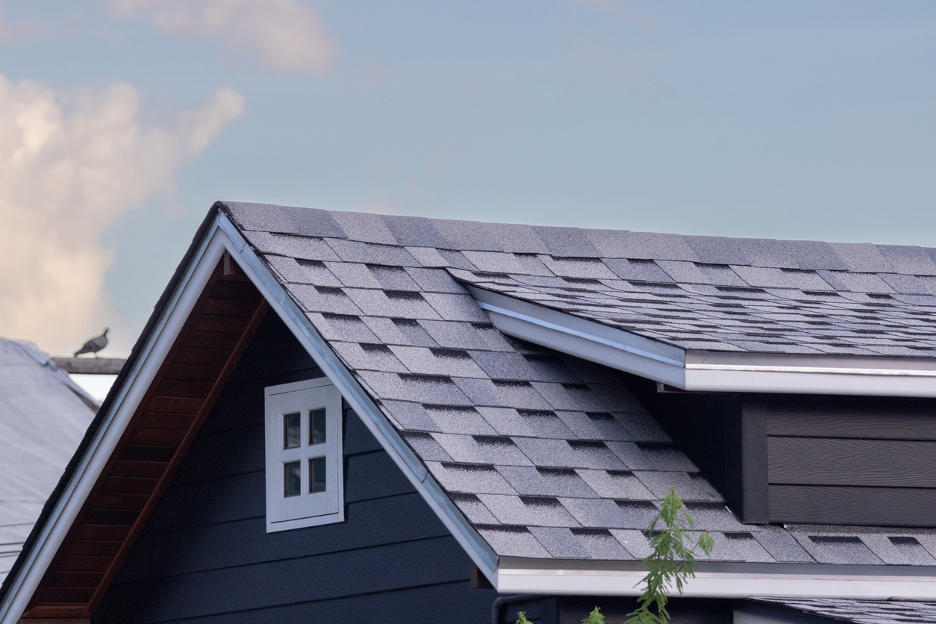
- Cracked, curling, blistering, or missing shingles
- Loss of protective shingle granules
- Damaged or deteriorating flashing
- Loose, rusted, or missing nails
- Algae, moss, or lichen growth
- Blocked, sagging, or damaged gutters
Structural Assessment: Checking the Foundation of Your Roof
Beyond the surface materials, an inspector also assesses the roof’s overall structural integrity. This involves looking for issues that could indicate a deeper problem with the roof’s framework. A solid structure is essential for supporting the roofing materials and withstanding wind and weather.
The structural check includes looking for uneven roof planes or signs of sagging between rafters. The condition of the soffits, fascia, and gutters is also evaluated, as these components play a vital role in directing water away from your home’s foundation.
What Happens After the Inspection?
Once the assessment is complete, the job isn’t finished. The next step is to provide you with clear, actionable information. We believe in transparency, so we take the time to walk you through our findings. You will receive a detailed report, often including photographs of any areas of concern, that explains the current condition of your roof.
This report will outline any recommended next steps. If the issues are minor, simple repairs may be all that’s needed to restore your roof’s integrity. However, if the inspection reveals widespread damage, advanced age, or significant structural problems, a full roof replacement might be the most cost-effective solution in the long term.
Your Partner in Roof Health
A professional roof inspection provides the knowledge you need to protect your home effectively. It’s an investment in prevention, saving you from the stress and expense of emergency repairs. By understanding the health of your roof, you can make informed decisions and ensure it continues to shield your home for years to come.
If you have concerns about your roof or want to schedule a proactive roof inspection, contact the experts at JB West Roofing today.